
One Size Doesn't Fit All: Choosing the Right Type of Power of Attorney
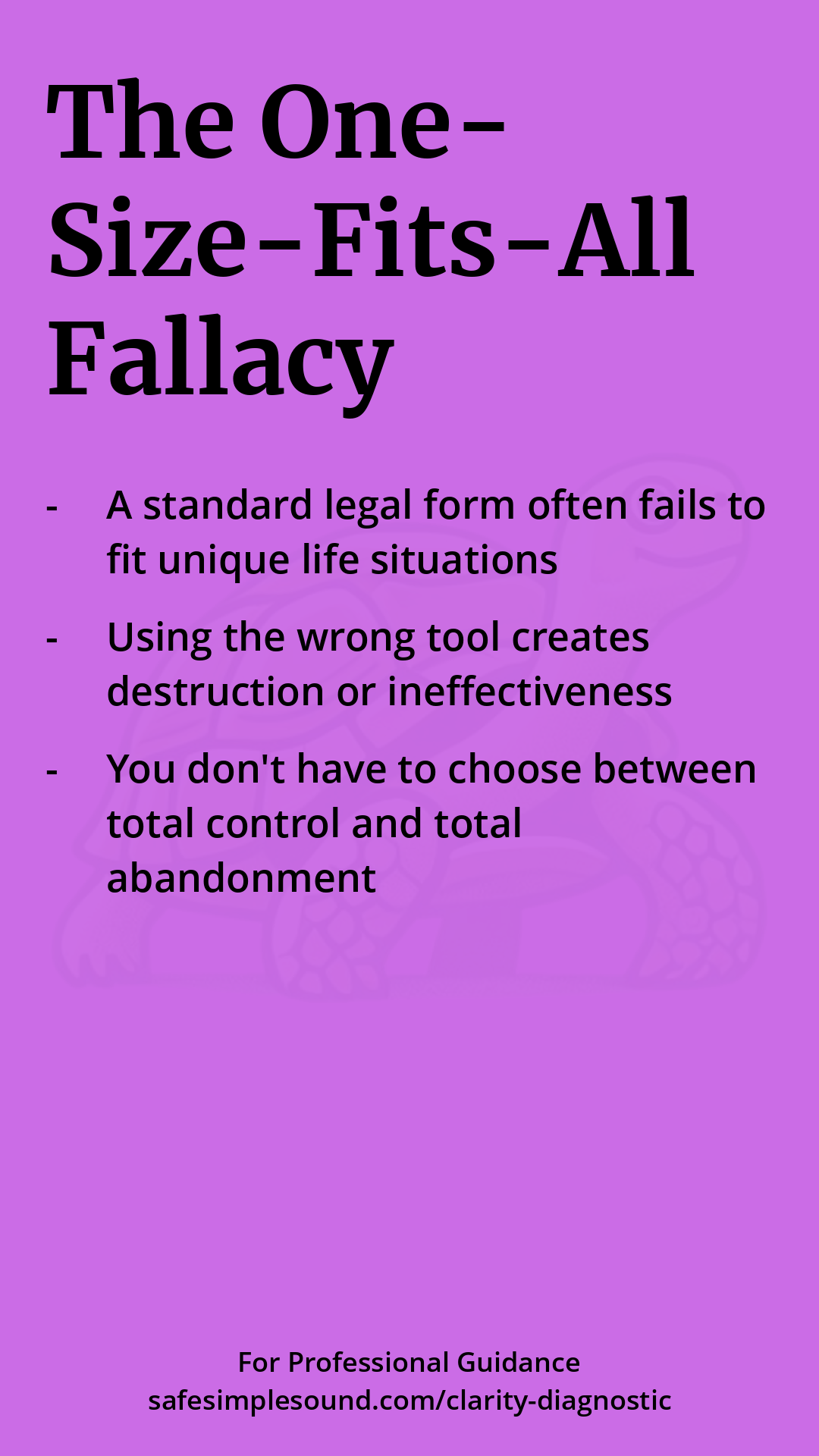
Most estate planning advice presents a false choice: keep total control and risk a crisis, or sign a "standard" Power of Attorney and hand over the keys to your entire life.
You don't have to choose between isolation and abandonment.
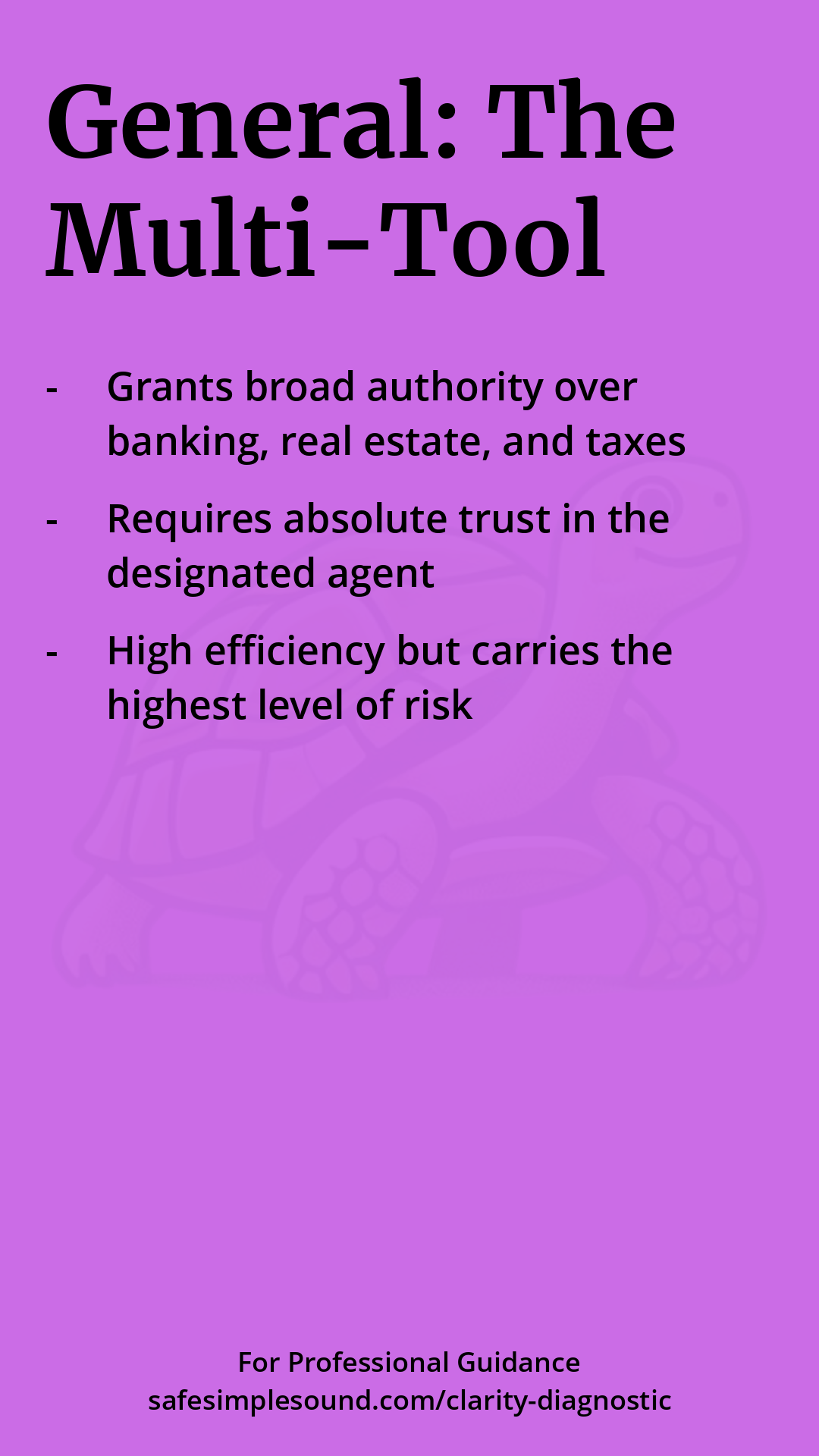
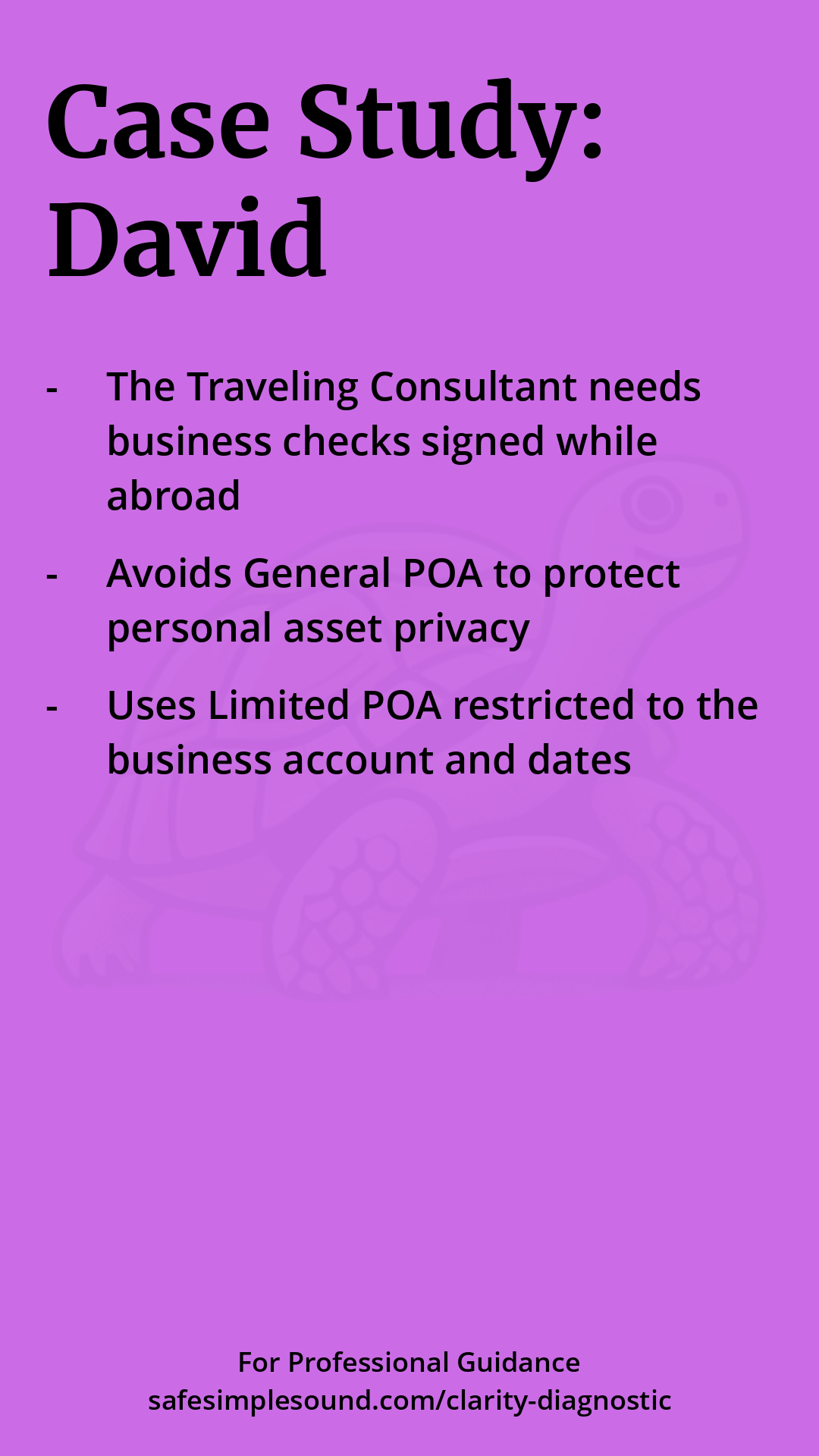
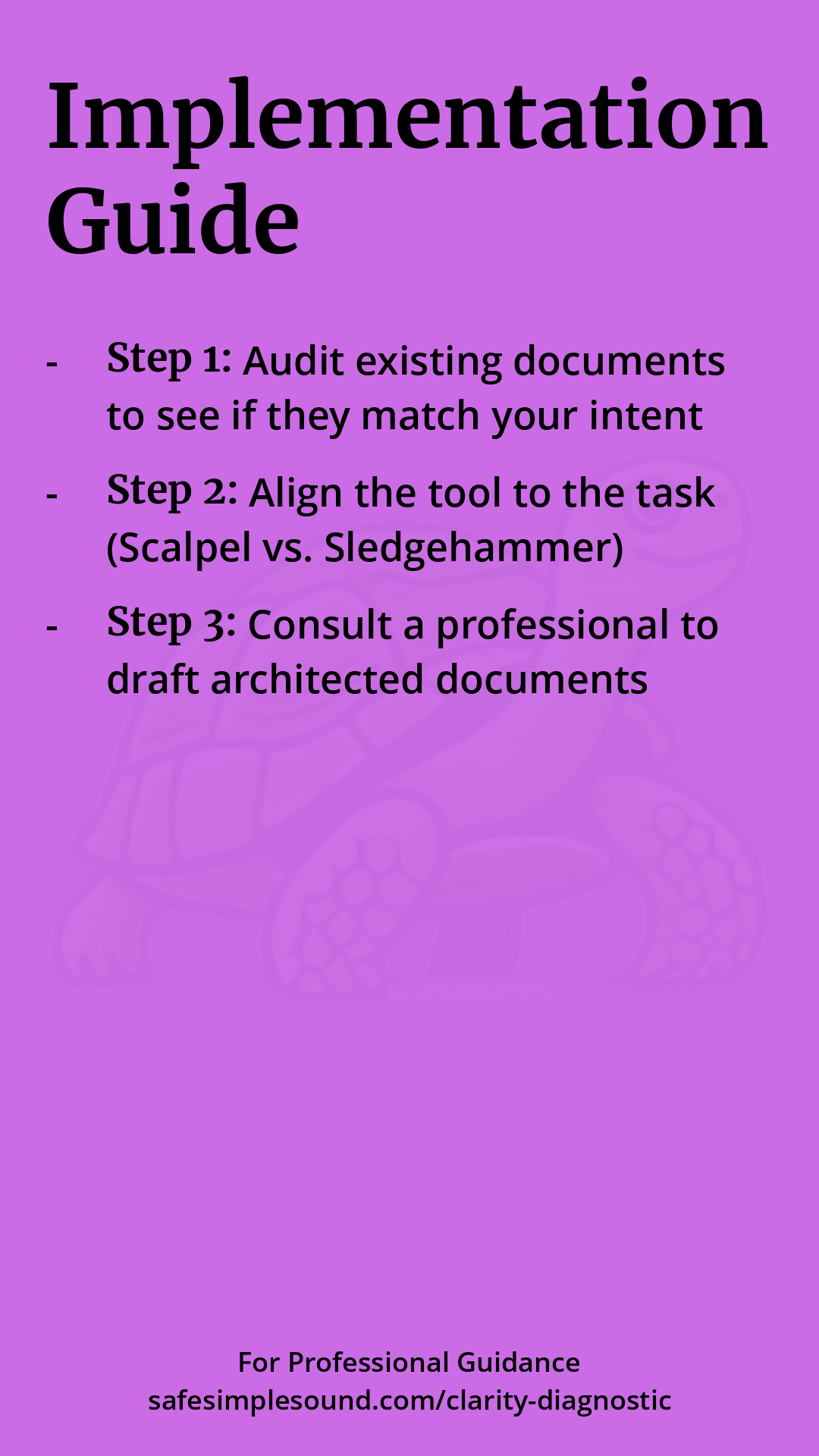
A Power of Attorney isn't a single document—it’s a toolkit. Using a "General" POA for a specific business trip is like using a sledgehammer for a task that requires a scalpel. It’s effective, but the collateral damage to your autonomy is unnecessary.
True financial autonomy comes from strategic delegation:
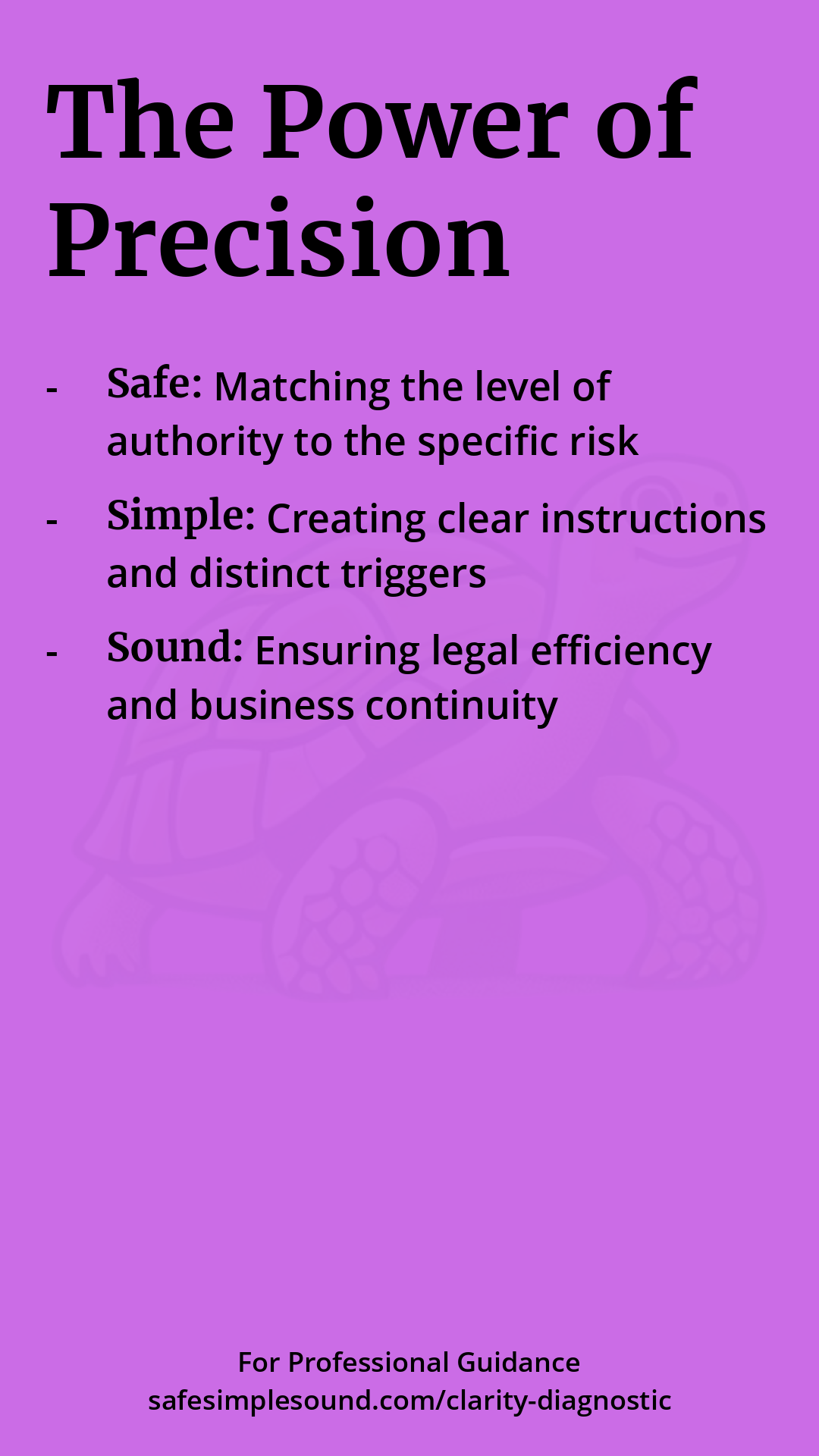
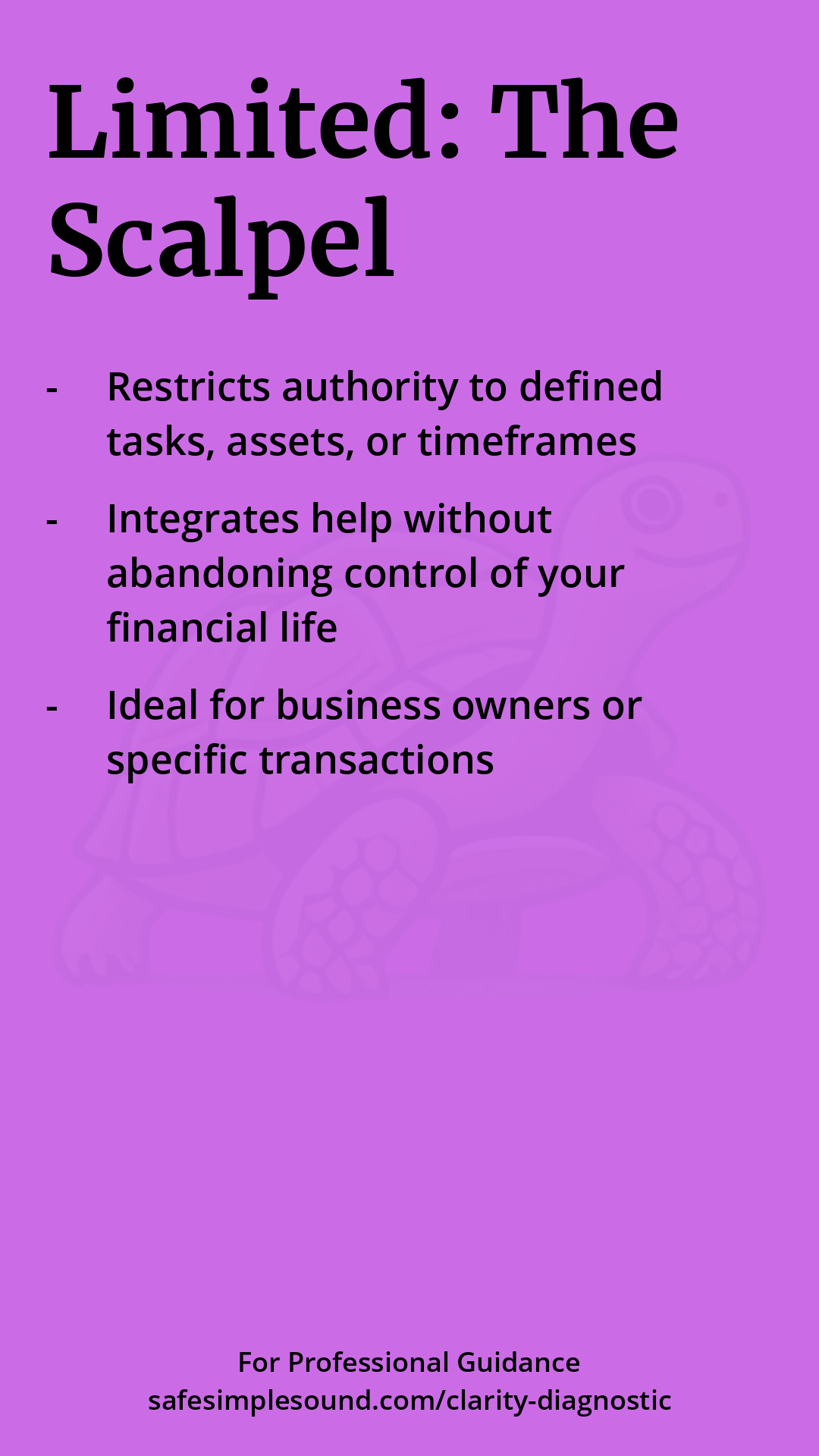
→ The "Scalpel" (Limited POA) allows a partner to sign business checks while you're abroad without granting them access to your personal savings.
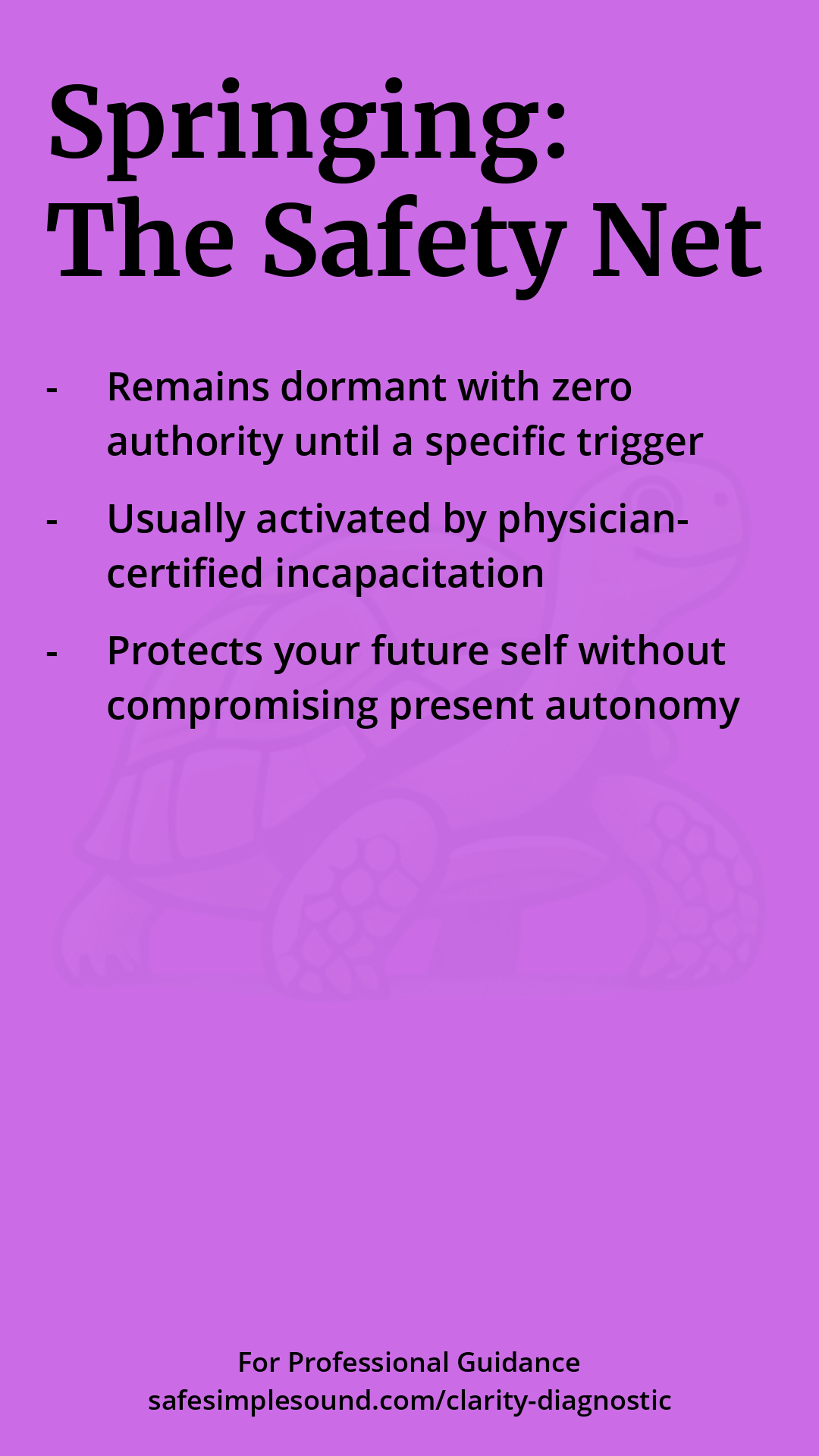
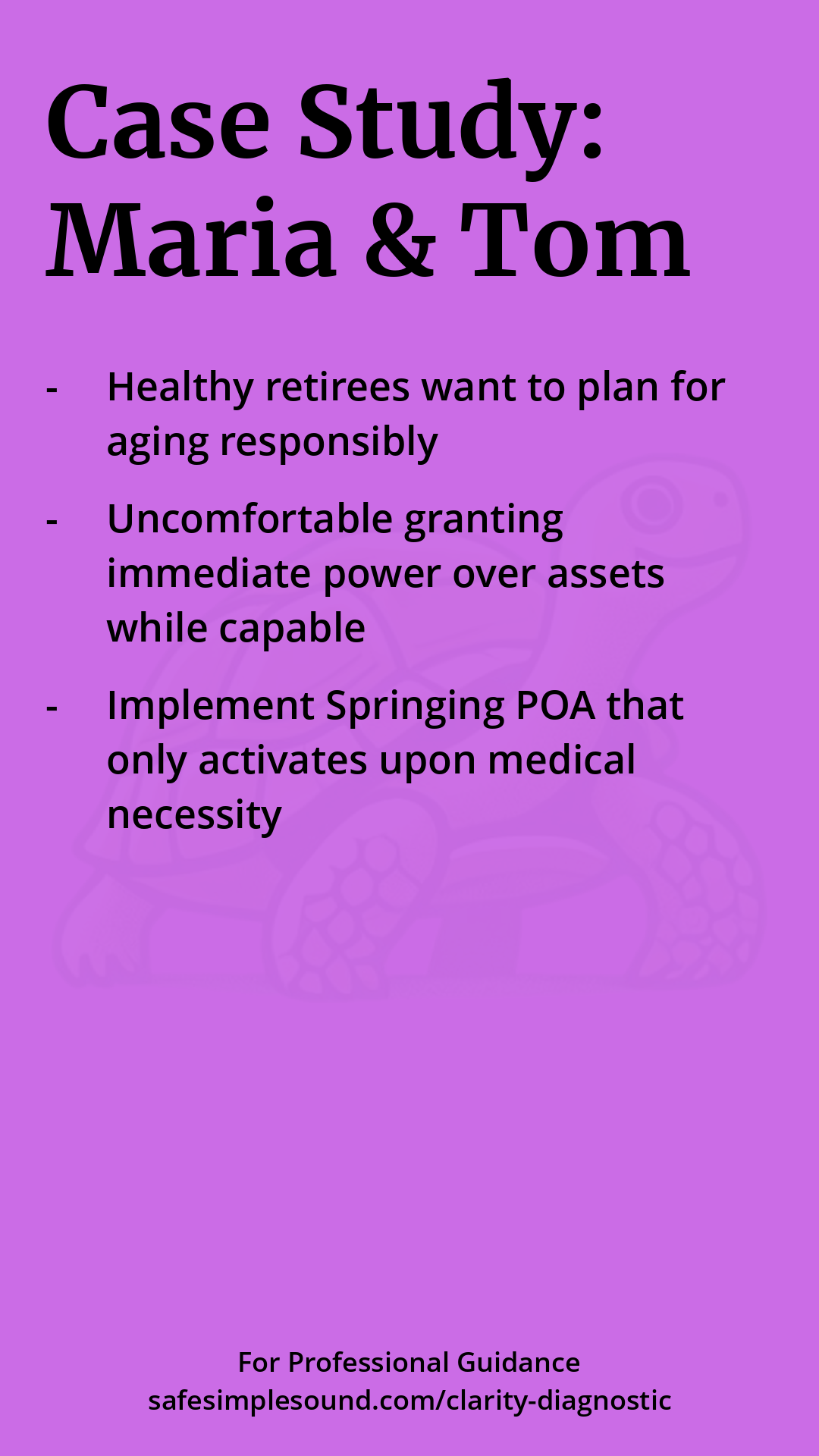
→ The "Safety Net" (Springing POA) remains completely dormant with zero authority until a physician certifies it is actually needed.
→ A "Safe" plan matches the level of legal authority granted to the specific risk involved, rather than relying on a "one-size-fits-all" template.
I put the full breakdown of these instruments below.
If you want to move beyond generic forms and architect a Financial Constitution that protects your independence, the full episode at SafeSimpleSound.com walks through the audit process step-by-step.


DISCLAIMER: This content is for educational purposes only and should not be considered personalized financial advice. Always consult with a qualified financial professional before making financial decisions.