
Beyond the Bell Curve: Why Your Risk Is More Than Just a Number
Most people see a 20% drop in their portfolio and feel a physical "tightening in the chest" because they’ve been trained to call it "risk".
The problem: traditional financial advice confuses mathematical volatility with actual financial failure.
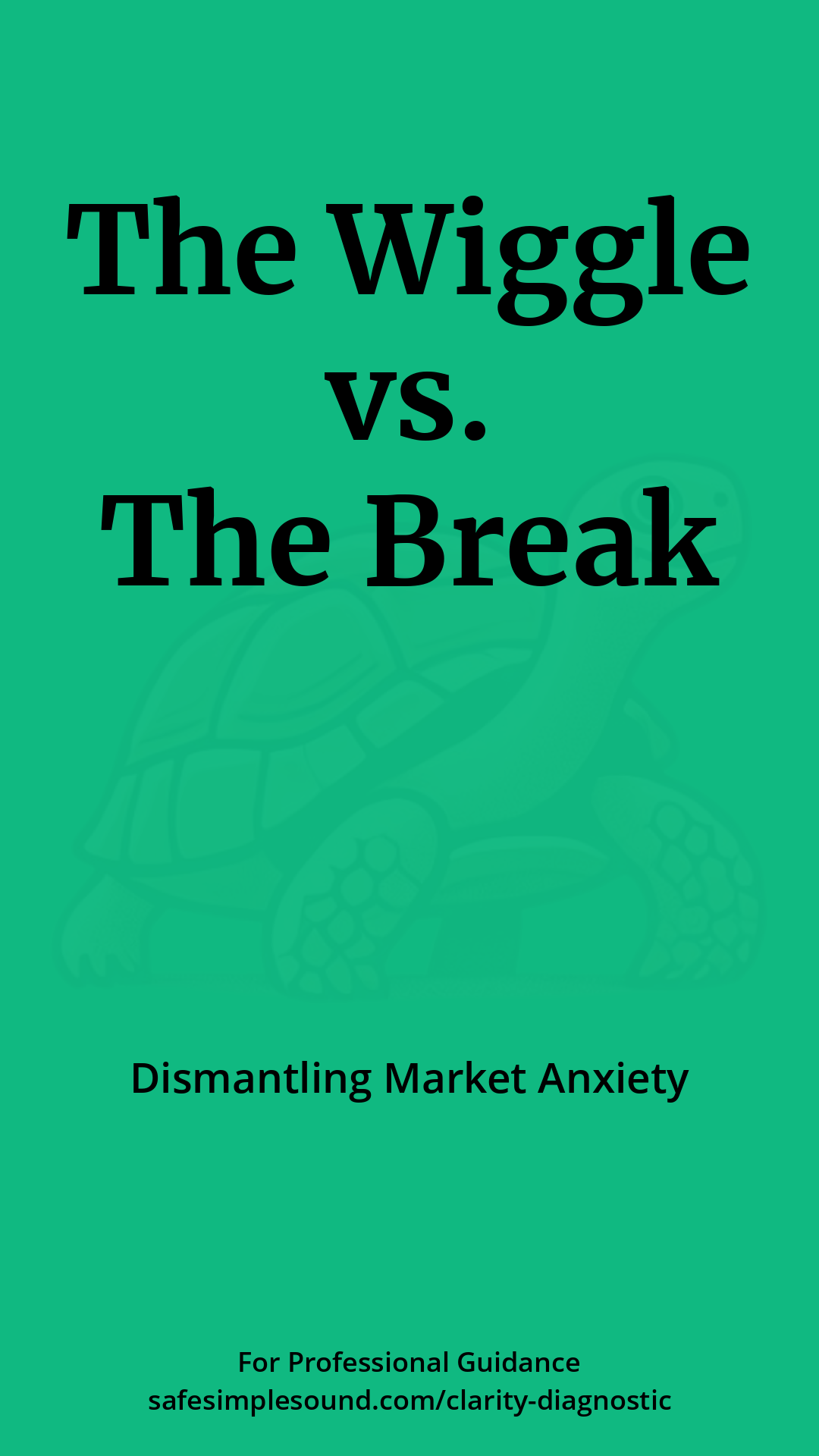
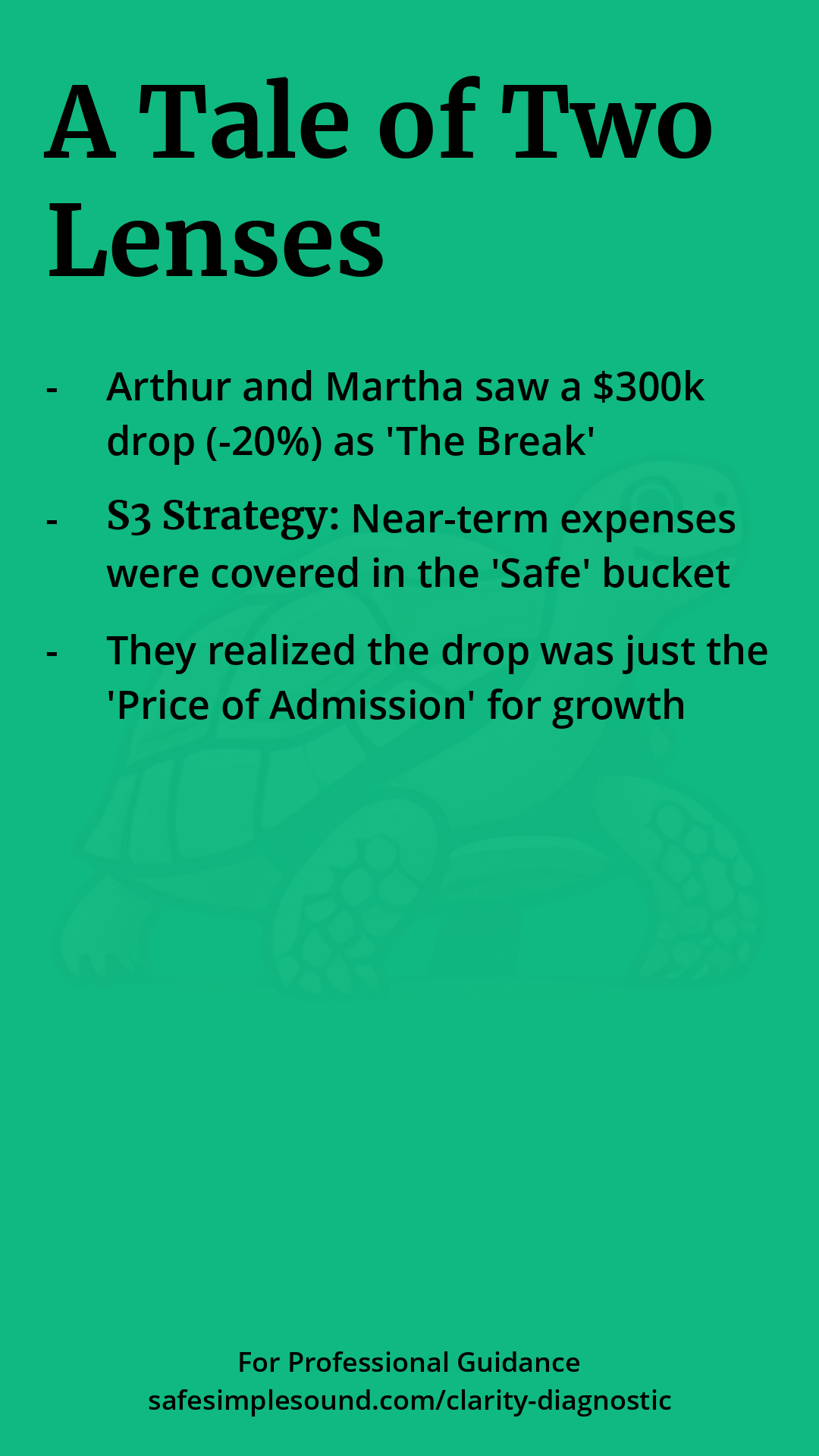
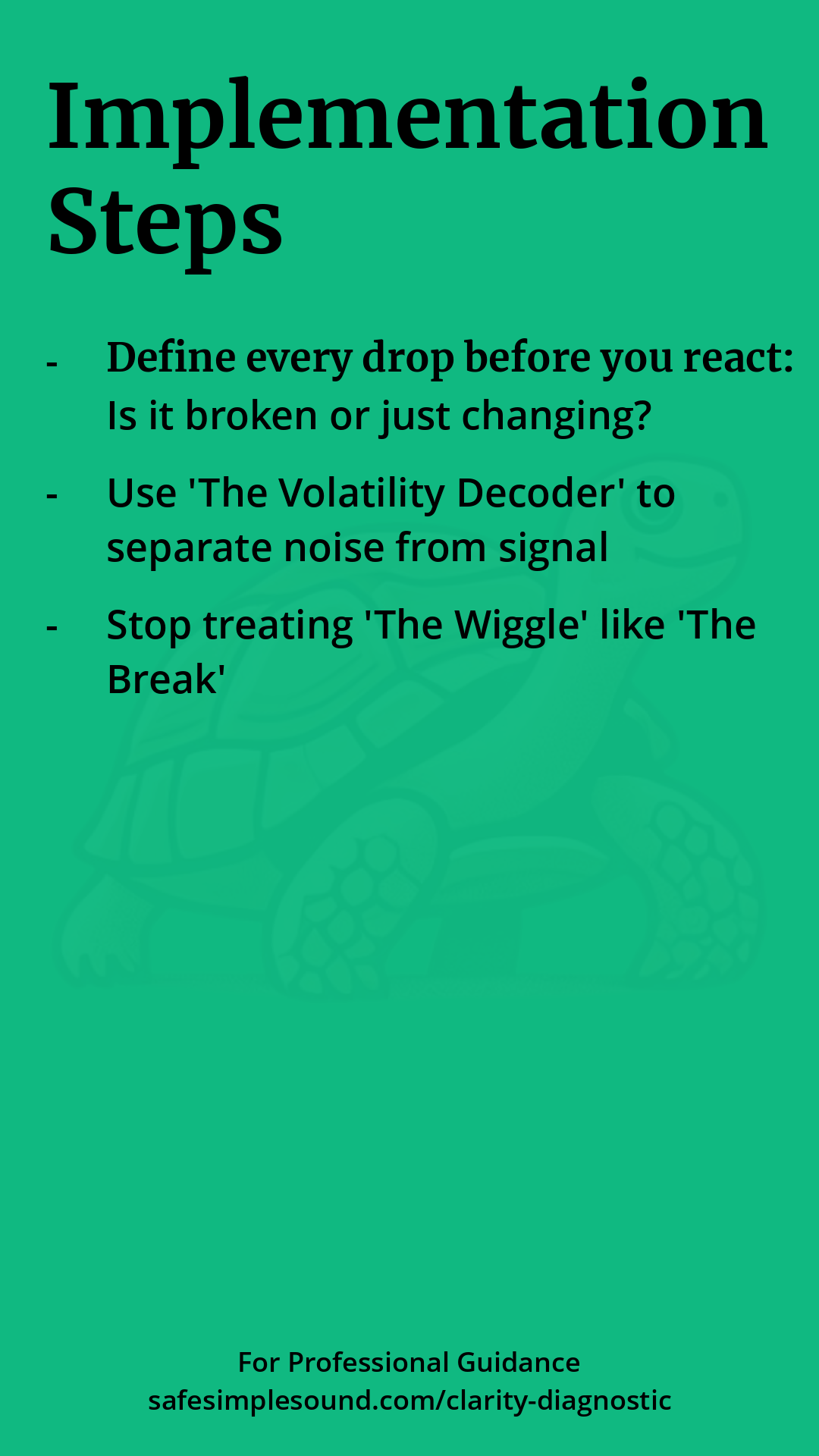
At SafeSimpleSound, we distinguish between The Wiggle and The Break.
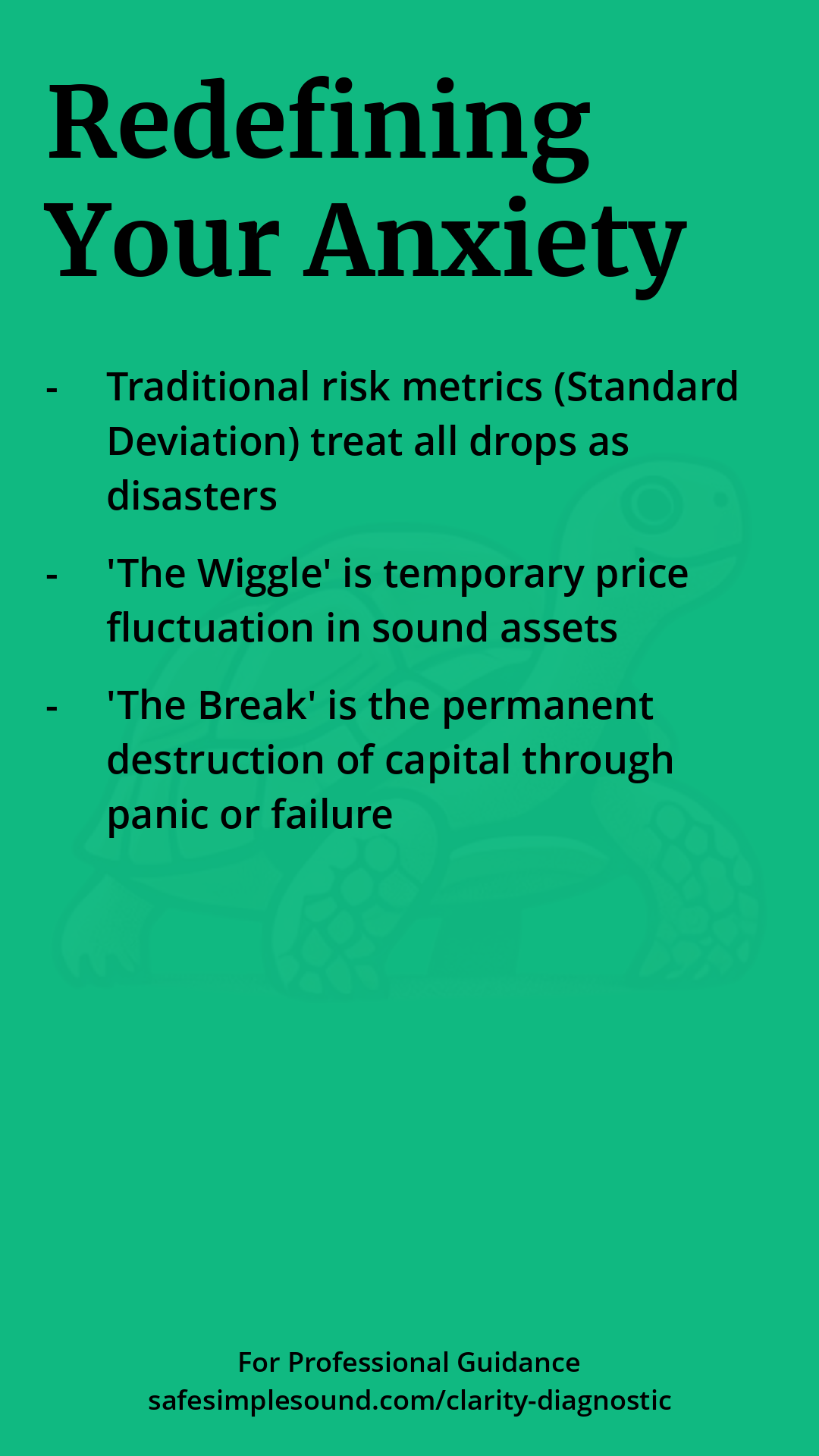
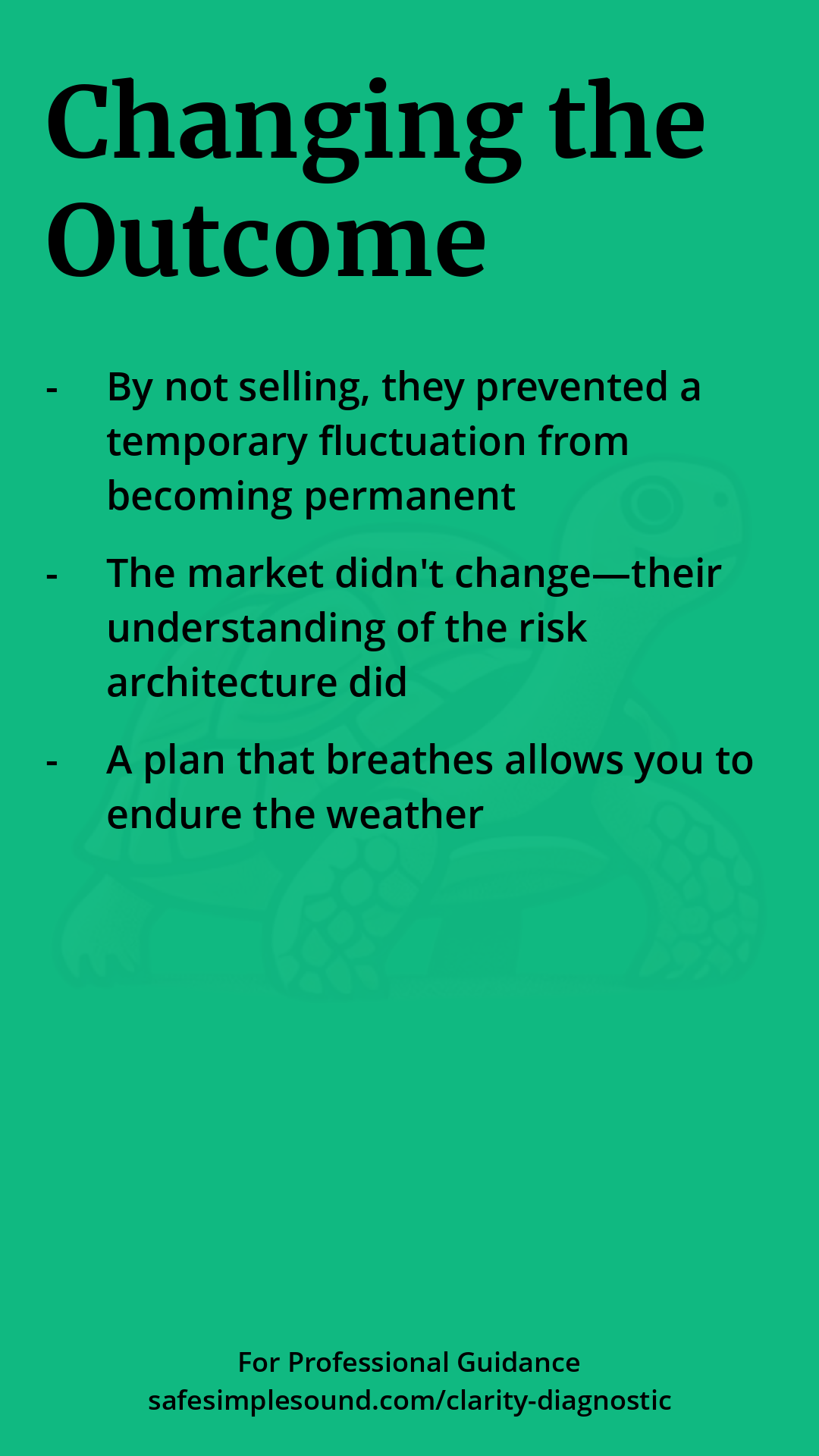
The Wiggle is the temporary price fluctuation of a sound asset. It’s the "price of admission" for long-term growth. The Break is the permanent destruction of your capital—usually caused by panic-selling during a normal cycle.
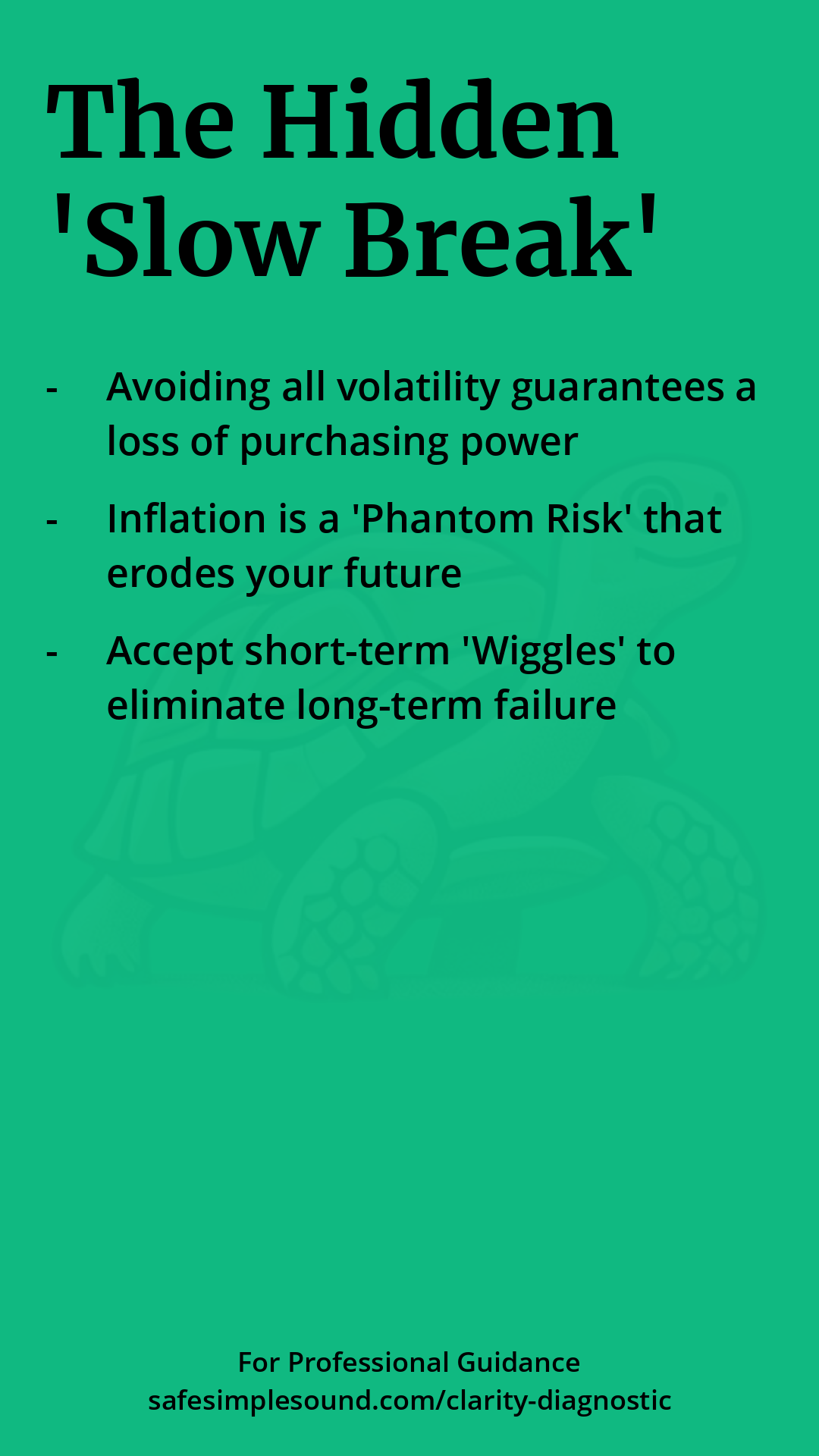
If you try to avoid the Wiggle by sitting in cash, you guarantee a "Slow Break" through the erosion of your purchasing power.
A few insights to help you build a "Sound" risk architecture:
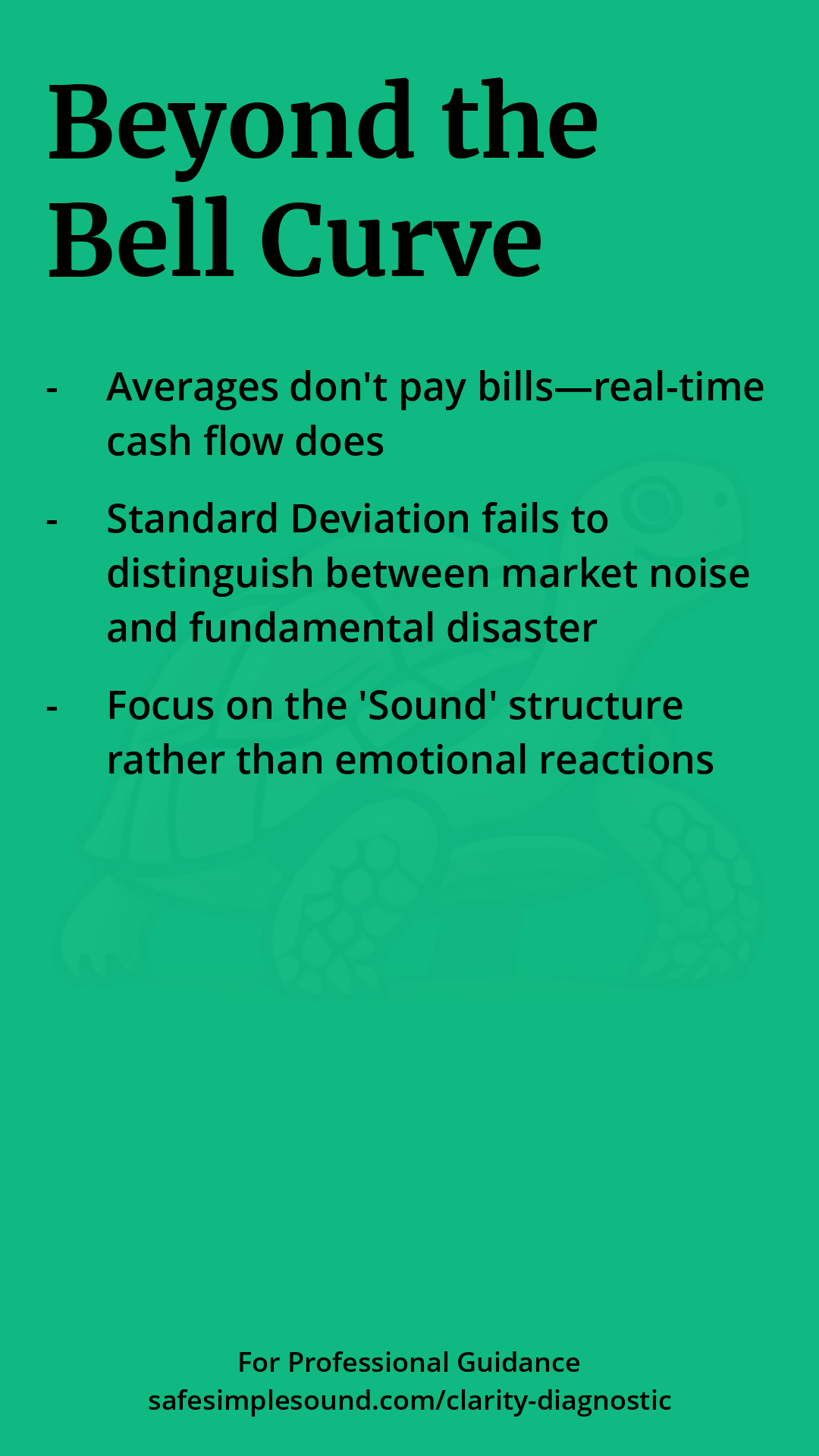
→ Standard Deviation is a fine statistical tool, but it’s a terrible metric for emotional safety.
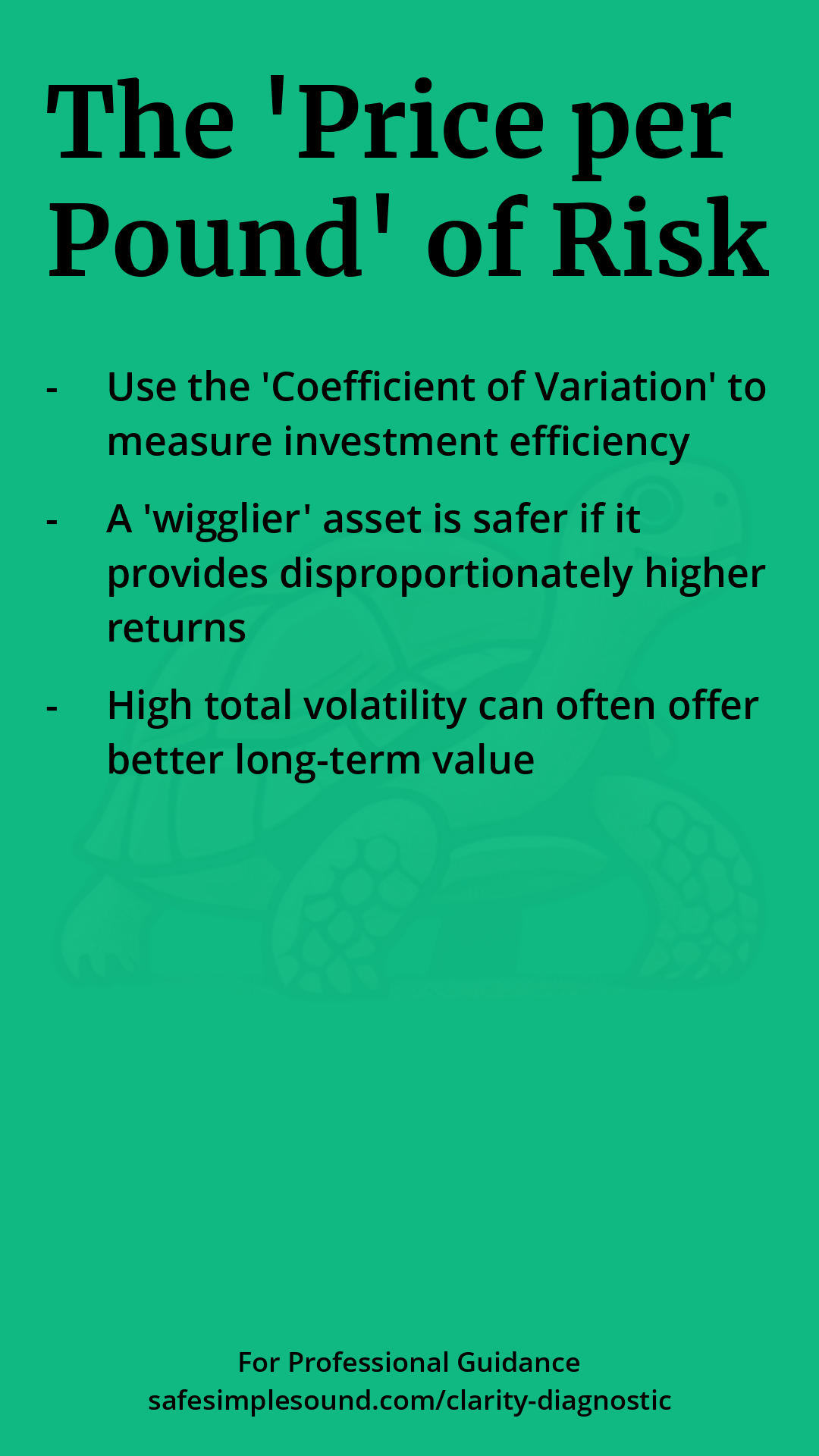
→ Use the "Price per Pound" logic: an asset that wiggles twice as much but pays four times the return is structurally safer for your long-term vision.
→ Safety isn't a flat line on a chart; it’s a plan that works in both thriving and surviving seasons.
The carousel above walks through how to audit your own portfolio using these principles.
Full episode and "The Volatility Decoder" tool are available at SafeSimpleSound.com if you want to stop reacting to the noise.
DISCLAIMER: This content is for educational purposes only and should not be considered personalized financial advice. Always consult with a qualified financial professional before making financial decisions.